
Jaboticaba journal
Best Fertilizer for Jaboticaba: What to Use and When
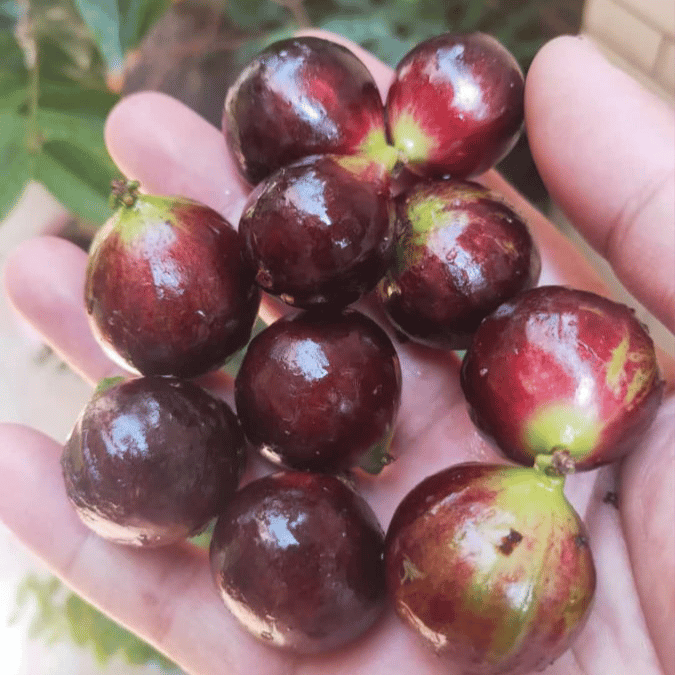
There is no single fertilizer or dose proven to be best for every jaboticaba. The right choice depends on whether the tree is in a pot or the ground, its age and growth, the potting mix or soil, and what nutrients are already available. For most home growers, the safest starting point is a complete, modest-strength fertilizer suitable for fruit trees, applied according to its label during active growth.
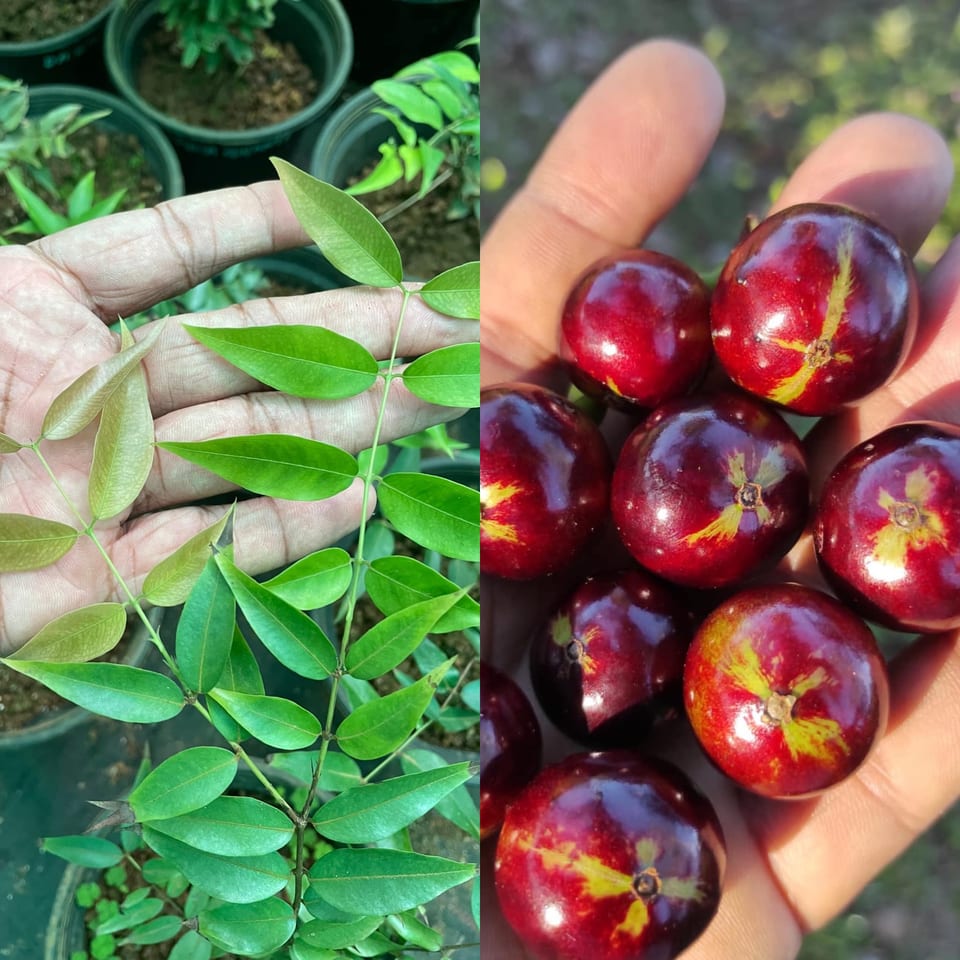
What fertilizer should you choose?
Look for a complete fertilizer that supplies nitrogen (N), phosphorus (P), potassium (K), and trace nutrients, with clear directions for fruit trees or container plants. A controlled-release product can make feeding easier because nutrients are released over time. A balanced organic fertilizer can also work, but “organic” does not automatically mean mild: follow the label and avoid applying large amounts of concentrated manure or fresh compost.
Do not chase a special N-P-K ratio unless a soil or leaf test, or a qualified local adviser, gives you a reason. Jaboticaba-specific fertilizer trials are limited, and a published seedling study found that higher nitrogen treatments could reduce the availability of other nutrients and lead to leaf yellowing. That is a reason to avoid heavy nitrogen feeding, not a universal dose recommendation for mature trees.
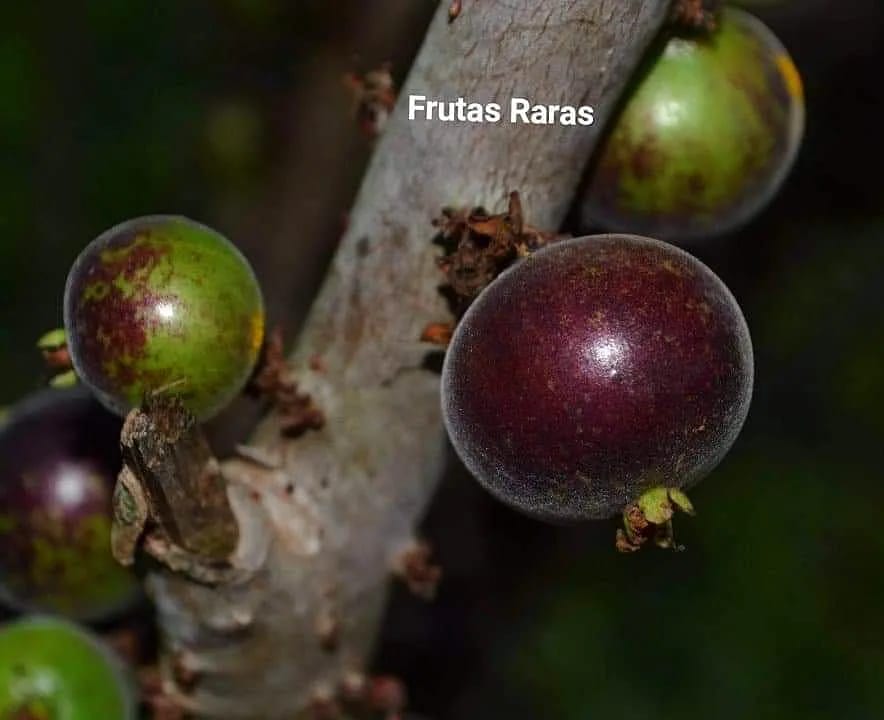
How to feed a potted jaboticaba
- Use a fertilizer whose label includes container or fruit-tree directions, and choose the lower end of the label range when the plant is small or the mix is already enriched.
- Apply only to a healthy, actively growing tree; do not fertilize a dry, waterlogged, recently stressed, or dormant plant.
- Spread granular fertilizer over the surface area where roots grow, keeping it away from the trunk, and water as directed.
- With liquid fertilizer, measure accurately and never make the solution stronger than the label rate.
- If a pale crust forms on the mix or leaf tips brown after feeding, pause fertilizer and check watering and salt buildup before applying more.
How to feed a tree planted in the ground
Follow the product directions for fruit trees and the area covered by the canopy or root zone. Scatter granular fertilizer evenly over that area rather than piling it beside the trunk. Water it in when the label calls for it, and keep mulch from touching the bark. If the ground is already fertile or the tree has steady healthy growth, a soil test can help you avoid adding nutrients the tree does not need.
When should you fertilize?
Use the active growing season as your general window, adjusting for your local climate and the product label. Avoid feeding during cold, low-light dormancy or just before a period when the tree cannot usefully take up nutrients. Do not use a heavy feed to force a weak tree into a flush of tender growth. Newly repotted trees should first settle into their new mix; check whether that mix already contains starter fertilizer.
Common fertilizer mistakes
- Using lawn fertilizer or a high-nitrogen product without a tree-specific reason.
- Combining several fertilizers, composts, and soil boosters so the total dose is unknown.
- Putting granules against the trunk or applying them to dry roots.
- Fertilizing more often because a tree is slow to fruit; many jaboticabas take years to reach maturity.
- Treating yellow leaves as proof of nitrogen deficiency. Root problems, pH, watering, cold, and other nutrient imbalances can look similar.
If the leaves look unhealthy
Before feeding, check whether water drains freely, the root ball is not staying saturated, and the soil or potting mix suits the plant. If possible, test soil pH and nutrients. A pH outside the range suitable for the tree can make nutrients harder to absorb even when fertilizer is present. Do not add iron or other single nutrients based only on a leaf color; diagnose the cause first.
For the next steps, see our jaboticaba container-growing guide, guide to fruiting problems, and species library.