
Jaboticaba journal
Growing Jaboticaba in a Pot: Soil, Water, Light, and Repotting
Jaboticaba’s slow growth makes it a rewarding container fruit tree for collectors with limited outdoor space. A pot also makes it easier to shelter a tree from cold, but it dries faster than garden soil and gives roots less room to buffer mistakes. Focus on even moisture, free drainage, and a gradual approach to sun and repotting.
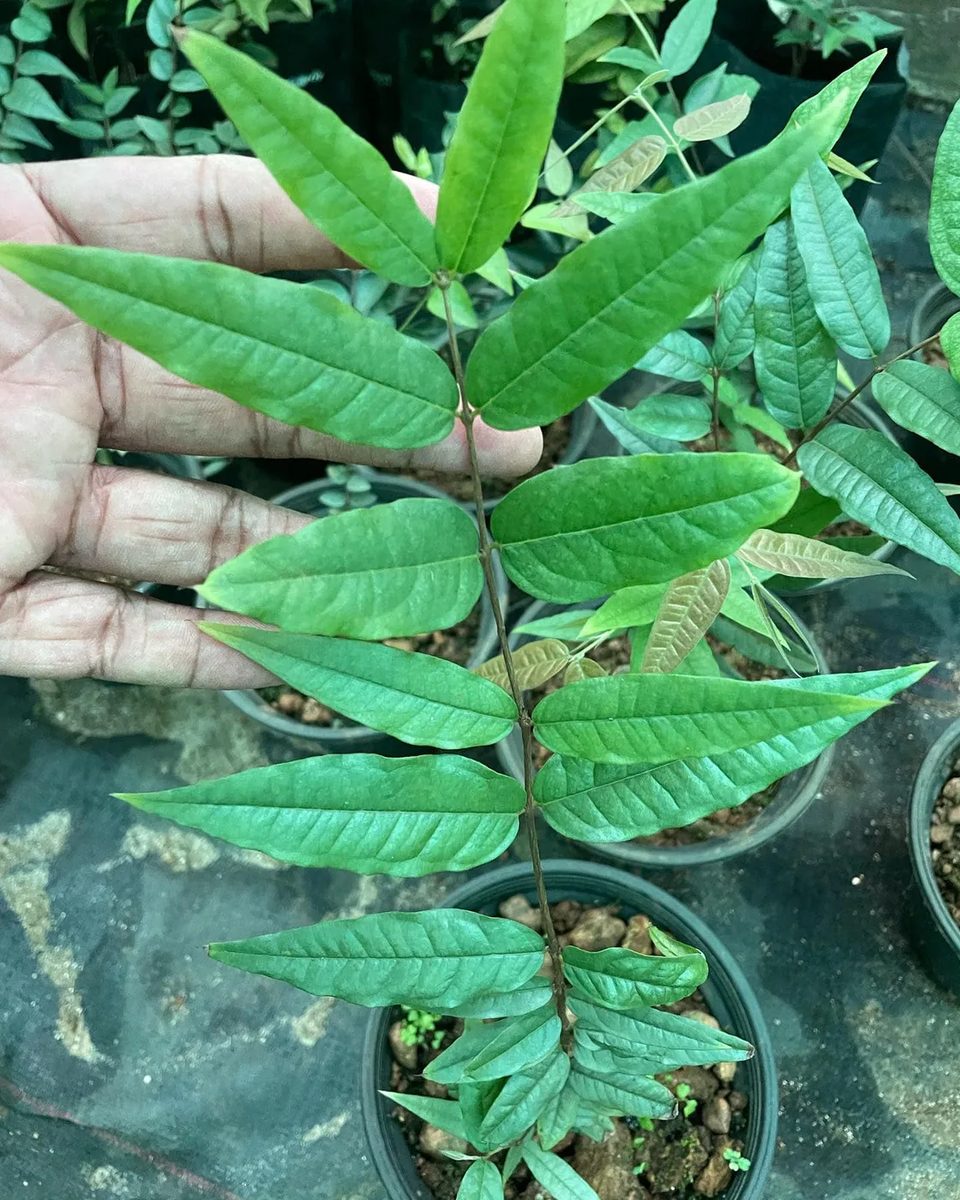
Use a pot that drains freely
Choose a sturdy container with open drainage holes. The next pot should give the root ball room to expand without leaving a very small plant sitting in a huge volume of wet mix. Do not let the container stand in a saucer of water. If the pot is heavy, plan its permanent position before filling it.
Keep moisture steady
Jaboticaba prefers consistently moist soil and is sensitive to drought. Check the mix with a finger or probe below the surface; water thoroughly when the root zone is beginning to dry, and let excess drain away. Heat, wind, pot size, and root density change how often watering is needed, so a fixed calendar is less reliable than checking the plant.
Pay attention to acidity and salts
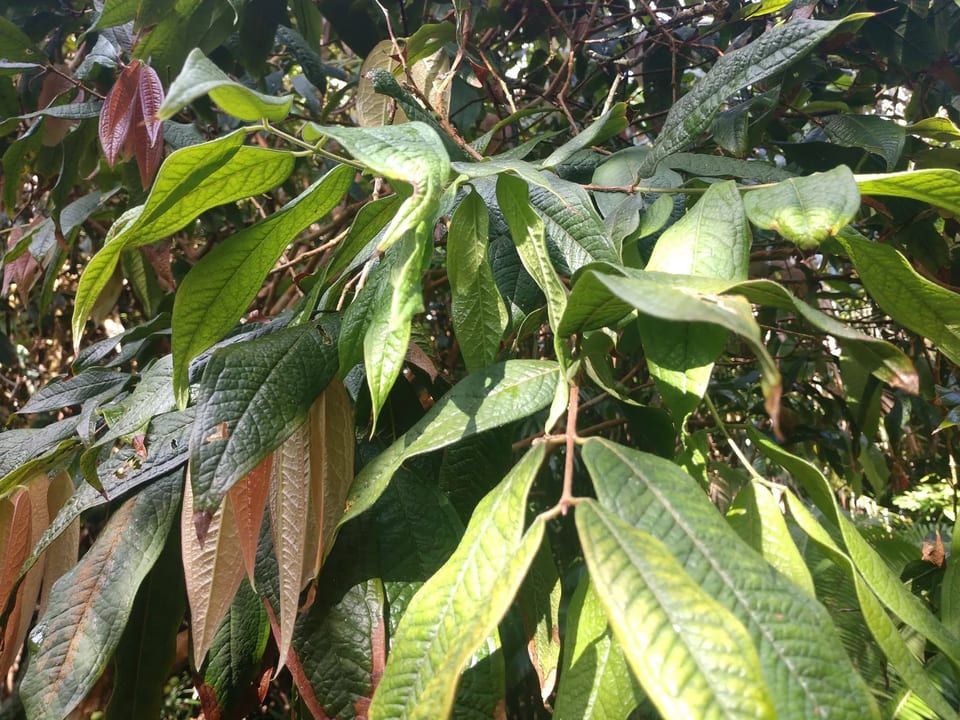
Jaboticaba generally prefers acidic soil, around pH 5–6, and can be sensitive to excess nitrogen and fertilizer salts. Use a suitable, well-draining acidic mix and avoid adding fertilizer whenever a leaf looks pale. If symptoms persist, test the water or growing medium and get local advice before applying sulfur, iron, or other amendments.
Introduce light gradually
Jaboticaba can grow in partial shade and tolerate full sun, but a plant moved from shade into strong sun can scorch. Acclimate it over days or weeks. In hot climates, afternoon shade may reduce stress; in cooler climates, brighter exposure may help growth. Watch new leaves and adjust based on your conditions.
Repot when the plant needs it
There is no universal repotting interval. Check whether roots densely circle the container, water passes through too quickly, or the plant dries unusually fast. Move up modestly and disturb fine roots as little as possible. Jaboticaba can remain in containers for long periods, but it still needs water, nutrition, and a larger pot when its roots need more room.
Cold weather and moving the pot
Jaboticaba is tropical to subtropical, and frost tolerance varies by species and selection. Before a cold event, move a manageable container to a sheltered location and follow advice for your region. Avoid shifting a plant from a protected indoor spot straight into intense outdoor sun after winter.
A simple container routine
- Check moisture below the surface, especially during hot or windy weather.
- Keep drainage holes clear and empty standing water from saucers.
- Record fertilizer type and date; follow label rates and avoid overfeeding.
- Inspect leaves and new growth weekly for changes.
- Repot based on root and watering behavior, not just the calendar.
See why a jaboticaba may not fruit if a mature plant is not flowering, and use the species library to compare the selections in your collection. For region-specific advice, consult a local horticulture extension service.