
Jaboticaba journal
Why Isn’t My Jaboticaba Fruiting? A Grower’s Troubleshooting Guide
A jaboticaba can grow for years before its first crop, so “no fruit” does not automatically mean something is wrong. Start by separating a normal juvenile tree from a mature tree that has stopped flowering. Then check the growing conditions and recent stress before changing fertilizer or pruning.
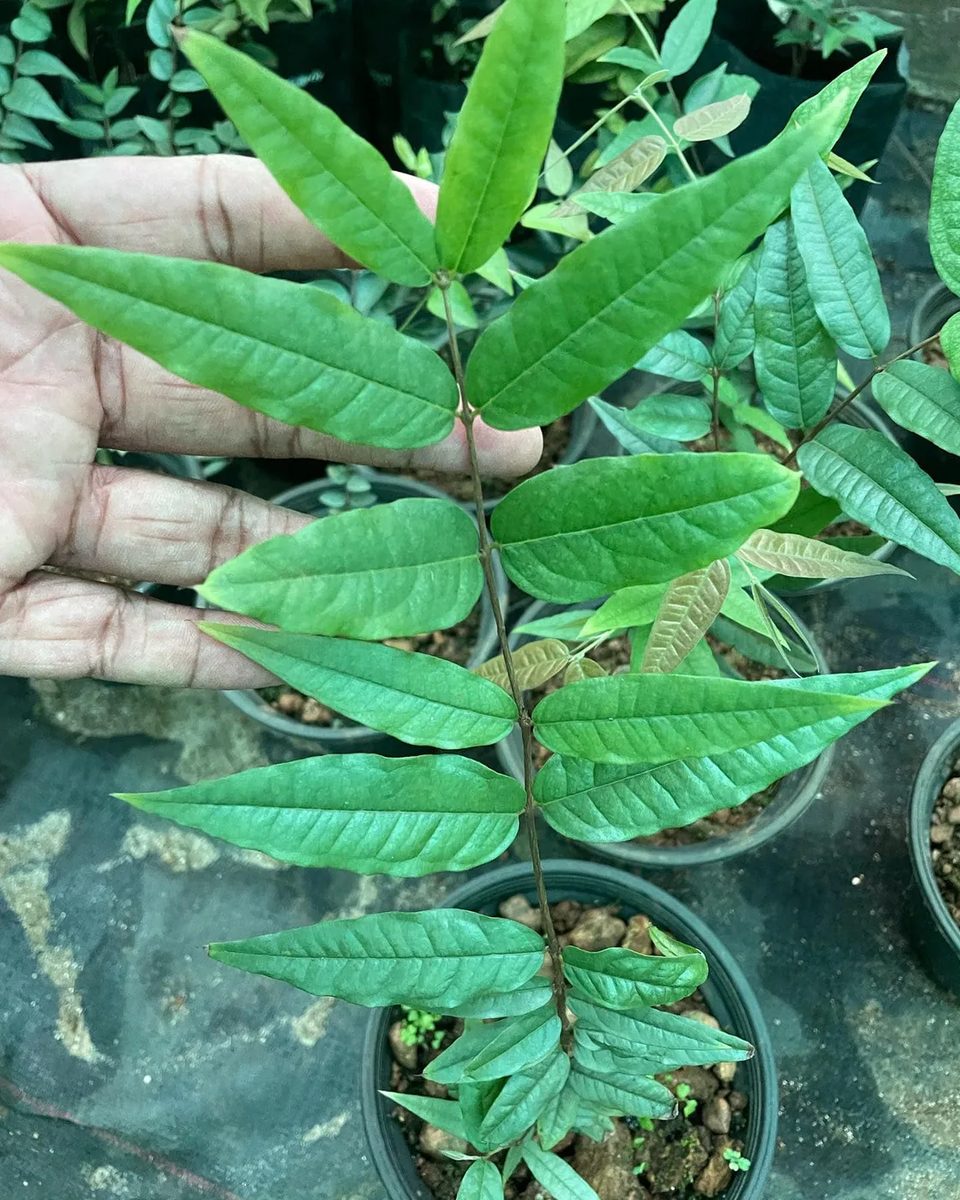
1. Confirm the tree is mature enough
Ask whether your plant was raised from seed or propagated from mature material. Seed-grown trees in Florida can take about 8–10 years to fruit; grafts and air layers may fruit sooner, but timing still varies. A seller’s “early fruiting” description should identify the variety and propagation method. Read how long jaboticaba takes to fruit for a fuller explanation.
2. Review water and root conditions
Jaboticaba prefers consistently moist soil and has limited tolerance for drought. A dry spell can stress a tree and damage leaves. At the same time, constantly saturated mix can deprive roots of air. Check moisture below the surface, drainage holes, and whether water runs through the container rather than pooling. Adjust based on the root zone and weather instead of following a rigid daily schedule.
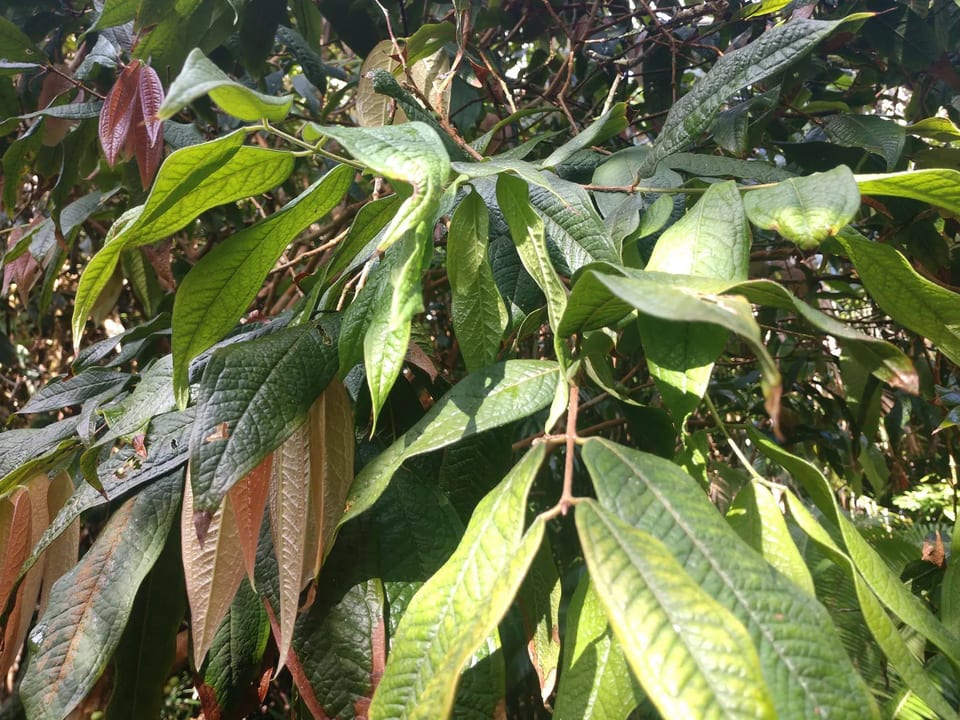
3. Check light, temperature, and recent stress
The right amount of sun depends on climate and acclimation. Jaboticaba can grow in partial shade and tolerate full sun, with exposure affecting crop potential. Sudden exposure to stronger sun, cold damage, repotting, drought, or a major move can divert a plant from flowering while it recovers. Make changes gradually and keep notes so you can connect stress with the next growth cycle.
4. Avoid pruning away productive wood
Jaboticaba flowers and fruits on the trunk and older branches. Heavy pruning can remove the mature surfaces where flowering would occur. Remove dead, crossing, or poorly placed growth selectively, and avoid repeatedly cutting back the trunk and main branches just to keep the tree small. If you need a compact plant, choose a container and location that fit its eventual size.
5. Be cautious with fertilizer changes
More fertilizer is not a shortcut to fruit. Jaboticaba can be sensitive to excess nitrogen, and there is no single fertilizer schedule for every garden. Follow the label for any product, avoid stacking multiple feeds, and consider soil pH and water quality before adding micronutrients. If leaves show persistent symptoms, ask a local horticulture extension service to help diagnose them.
A simple troubleshooting order
- Write down the tree’s age, source, and propagation method.
- Look for flowers first; if there are no flowers, fruit set is not the current issue.
- Check root-zone moisture, drainage, and recent dry or cold periods.
- Review pruning and fertilizer changes over the past year.
- Photograph the plant and keep a dated growth log before making several changes at once.
For region-specific advice on planting, irrigation, climate, pruning, and pests, consult a local horticulture extension service. You can also compare the plant with the species library.
If a mature tree flowers but does not hold fruit, note flowering dates, weather, and watering around that period. Those observations will help a local extension specialist or experienced grower give more useful advice than “add fertilizer.”