
Jaboticaba journal
When to Harvest Jaboticaba and How to Enjoy the Fruit
Jaboticaba fruit develops directly on the trunk and older branches, making a ripe crop one of the tree’s most striking sights. Harvest timing depends on variety and local conditions. Pick fruit when it has reached the mature color for that tree and comes away easily; do not rely on one color rule for every jaboticaba.
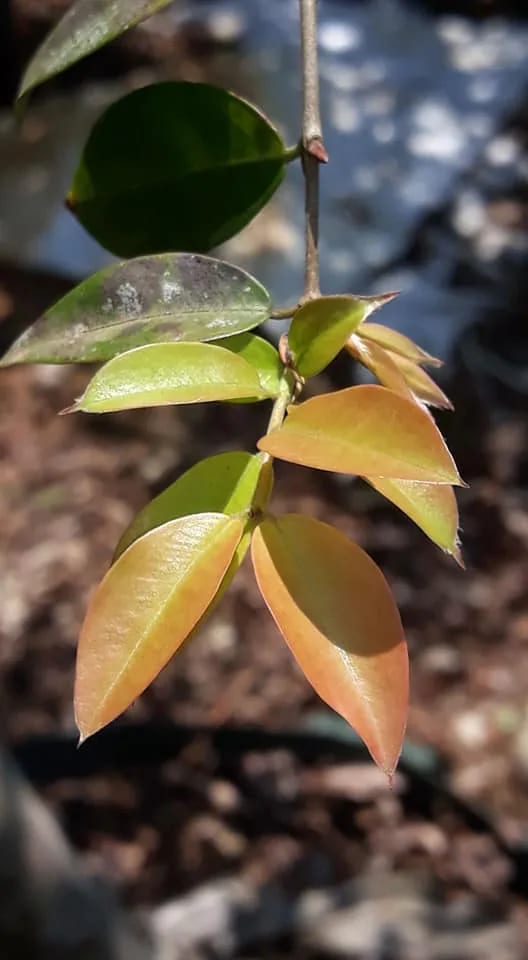
Watch the fruit on your own tree
Many familiar jaboticaba types ripen to deep purple or nearly black, while other selections can be red, yellow, or pale. Check the fruit over several days and compare its color and softness with earlier stages. Fruit development can take roughly 30–45 days from pollination to maturity, but this is a reference range rather than a fixed countdown for every tree.
Harvest gently and keep it cool
The fruit is delicate and has a short shelf life. It may last about one to two days at room temperature and three to four days refrigerated, depending on variety. Harvest into a shallow container to reduce bruising, remove damaged fruit, and refrigerate what you will not eat soon. Wash shortly before eating or processing.
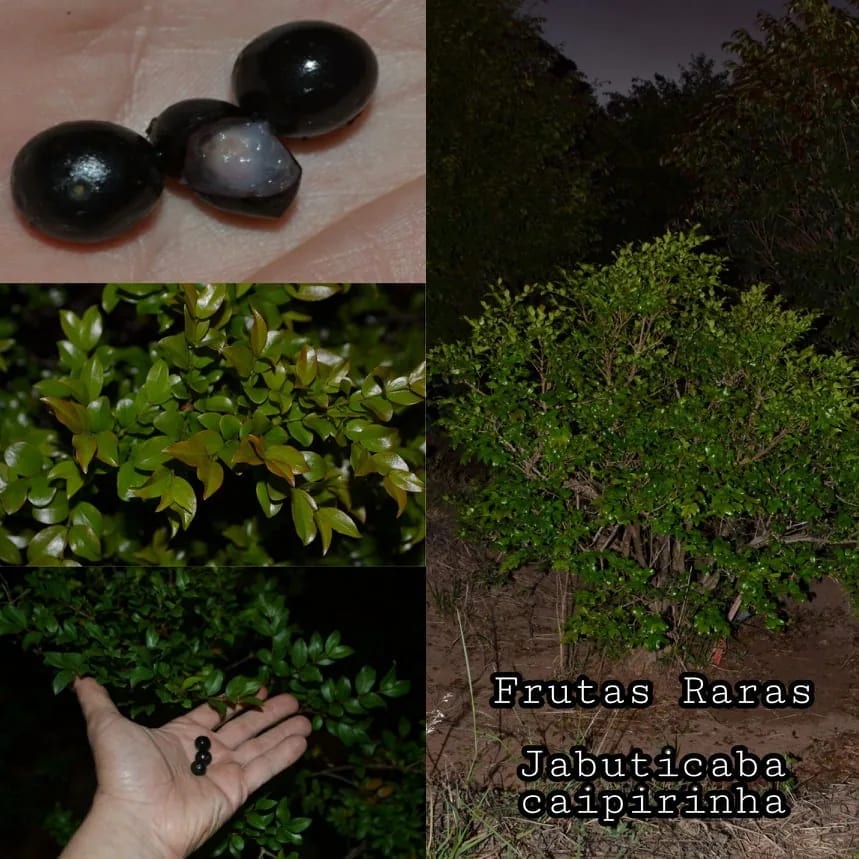
Eat it fresh or process the crop
Fresh jaboticaba has translucent flesh surrounded by a dark skin; the skin can taste tannic, and preference varies. Try a few fresh first. The fruit can also be used in juice, jam, jelly, syrup, desserts, and fermented drinks. Because the crop is perishable, processing fruit promptly is a practical way to use more than you can eat fresh.
A simple small-batch approach
- Sort and rinse ripe fruit, discarding damaged pieces.
- Crush or simmer the fruit to release juice, then strain if you prefer a smoother result.
- Use a tested recipe for preserves, including its specified acidity, sugar, and processing method.
- Label frozen or preserved batches with the harvest date and variety.
Do not assume every recipe can be safely canned by simply changing the amount of sugar or lemon. For shelf-stable preserves, use a tested food-preservation recipe from a reliable extension or food-safety source. Refrigerate or freeze experimental preparations.
Make harvest notes useful for next season
Record the date, variety name, approximate crop size, and flavor impressions. Note whether fruit was fully colored before picking and how quickly it softened. This helps you learn the ripening pattern of your tree, especially if your climate differs from published Florida or Brazilian harvest seasons.
For variety context, browse the jaboticaba species library and our variety comparison guide.