
Jaboticaba journal
Jaboticaba Varieties for Pots and Small Gardens: What to Compare
A jaboticaba’s slow growth makes container growing possible for many enthusiasts, but there is no single “best” variety for every pot or climate. Compare the plant’s verified identity, propagation method, mature size, and fruiting history before choosing. A compact young tree is not proof that its mature form will stay tiny.
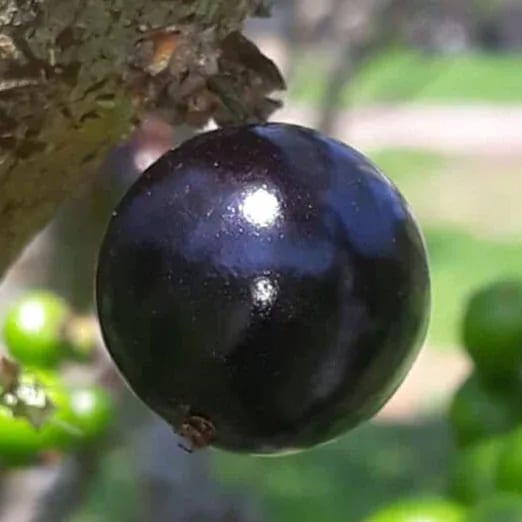
Start with a name you can verify
“Jaboticaba” is used for several related species and selections. Sabará and Pingo de Mel are often associated with Plinia jaboticaba, Paulista with P. cauliflora, White with P. aureana, and Red Hybrid with P. cauliflora × P. aureana. Names and classifications may differ among growers and references, so treat a nursery label as a starting point and ask how the plant was identified.
Compare selections without assuming a winner
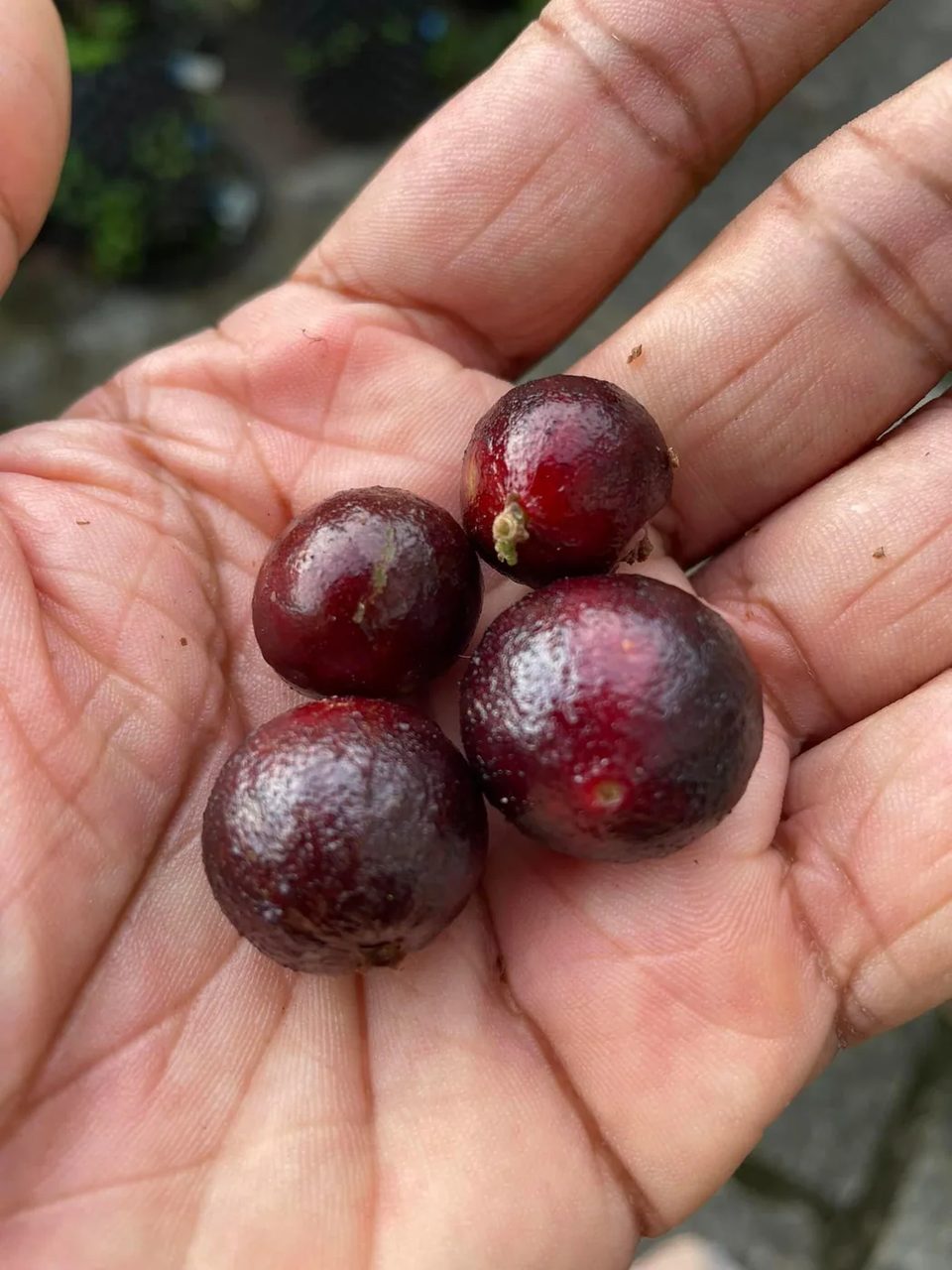
Pingo de Mel is commonly described as a sweet-fruited selection. Some Red Hybrid seedlings are reported to fruit in three to five years, though timing varies. Paulista and Sabará are well-known Plinia selections, while White (P. aureana) offers a different pale-fruited type. These details can help narrow a collection; they do not guarantee a particular flavor or crop from every plant.
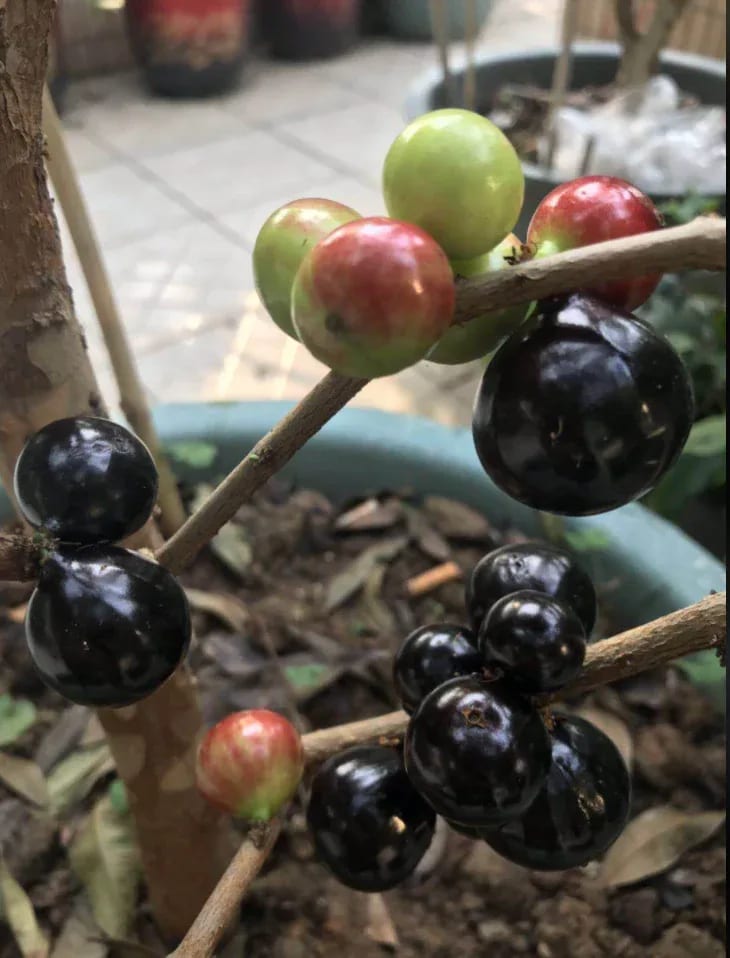
Look through the site’s species profiles for photographs and source facts on Açu Paulista, Pingo de Mel, White Jaboticaba, and Red Hybrid. The images show examples from the collection; they are not a substitute for confirming the plant you are buying.
A pot changes the growing plan
Jaboticaba’s slow growth makes it suitable for long-term container growing. Container trees still need steady moisture, good drainage, suitable light, and periodic attention to roots and nutrition. Choose a stable pot with drainage, move up in size as the root ball requires, and protect the tree from abrupt changes in sun or temperature. See the container-growing guide for care details.
Questions to ask the nursery
- What is the species or selection, and how was it identified?
- Was this plant grown from seed, grafted, or air-layered?
- Has the parent plant or this individual fruited?
- What mature dimensions should I plan for in my climate?
- How much sun and water has this plant been receiving?
- Can I see current photos of the actual tree for sale?
Choose for your conditions
If reliable fruiting is your priority, favor a well-documented vegetatively propagated plant and a seller who can explain its history. If collecting unusual forms is the goal, a seedling may be worthwhile when you are comfortable with variation and a longer wait. For a small garden, plan around the mature tree and the space needed to water, harvest, and clean fallen fruit.