
Jaboticaba journal
Jaboticaba Leaves Turning Yellow or Brown? What to Check First
Yellow or brown jaboticaba leaves are a symptom, not a diagnosis. Drought, waterlogged roots, sun exposure, cold, and nutrient availability can all affect foliage. Start with recent weather and care changes, then inspect the root zone. Avoid applying fertilizer or pesticide until you have a plausible cause.
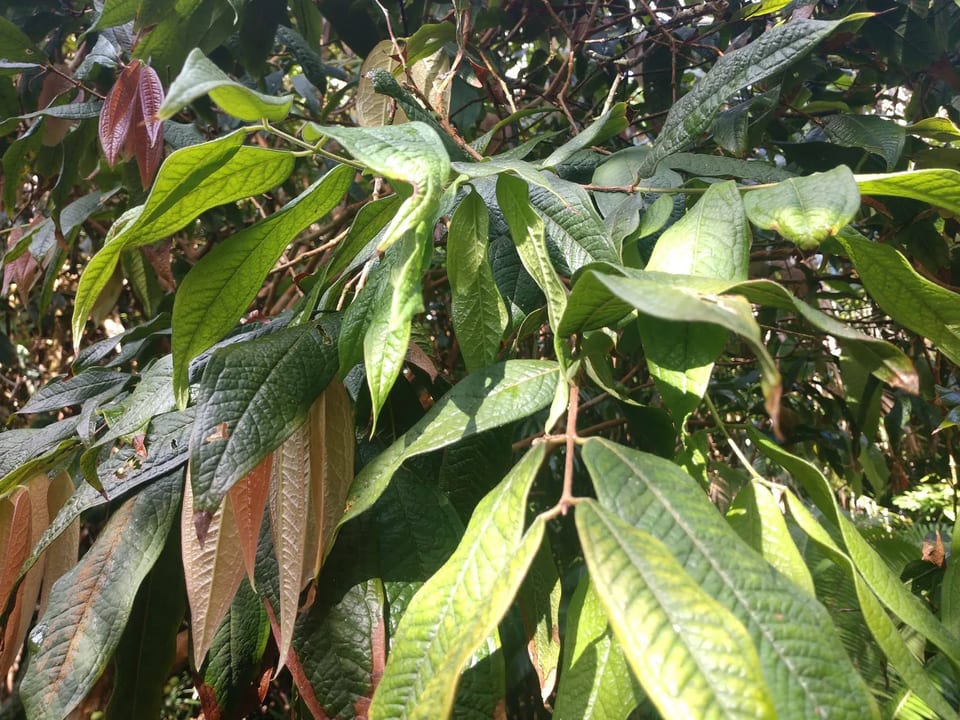
First, note where the damage appears
Is the change on old leaves, new leaves, leaf edges, or the whole canopy? Did it appear after a heat wave, cold night, repotting, or a change in watering? Photograph the same branch every few days. A pattern over time is more informative than a single close-up, and leaf color alone cannot confirm a nutrient deficiency or disease.
Check for drought stress
Jaboticaba prefers consistently moist soil and has poor tolerance of drought. Drought stress may begin as browning at leaf tips and progress to leaf drop. Check moisture several centimeters into the root ball; a dry surface can hide a moist interior, and a damp surface can hide dry pockets in a root-bound pot. Water thoroughly, then let excess drain.
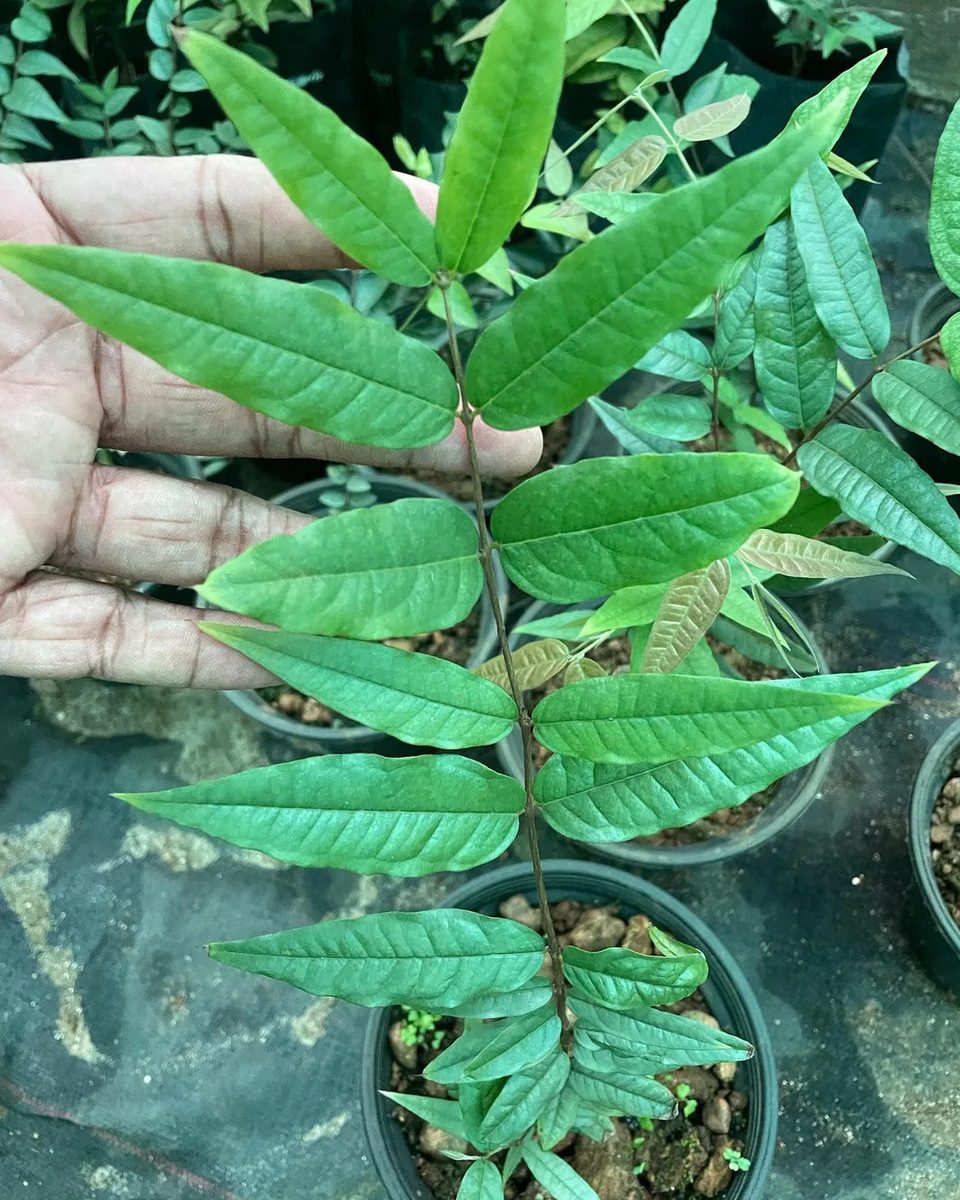
Check drainage and root-zone saturation
If the mix stays wet for long periods, smells sour, or water sits around the roots, check the drainage holes and the growing medium. Constant saturation can stress roots. Make sure the pot is not standing in water and that the mix is not compacted. Do not respond to yellow leaves by watering more until you have checked below the surface.
Consider sun, cold, and recent moves
A sudden move into stronger sunlight can damage leaves, especially after a protected period. Cold injury can also appear after a cold night and may affect exposed growth first. Acclimate plants gradually when moving between shade and sun, and shelter containers when frost is expected in your region. Tolerance varies among jaboticaba types.
When nutrition or pH may be involved
Iron availability can be limited in high-pH soils, and But similar patterns can have other causes. Test soil or growing medium pH where possible, use a balanced plan, and avoid repeated high-nitrogen feeding because jaboticaba can be sensitive to nitrogen burn. Follow fertilizer labels and consult local extension staff for a diagnosis.
A safe order of checks
- Check soil moisture and drainage before changing irrigation.
- Review sun, temperature, and recent moves or repotting.
- Look for pests on leaf undersides and along stems.
- Photograph the pattern and note whether new leaves are affected.
- Test pH or ask an extension office before applying a nutrient treatment.
Our container guide covers pot-specific moisture and drainage. If leaves continue to decline, share clear photos and your care history with a local horticulture specialist.
Remove only dead or clearly damaged material when needed, and avoid heavy pruning while the cause is uncertain. Keep the tree stable as you work through one likely cause at a time.