
Jaboticaba journal
Jaboticaba Fruit Shrivels, Splits, or Drops: What to Check
Shriveled, split, or fallen jaboticaba fruit can be frustrating, but the symptom alone does not identify the cause. Weather, water supply, ripeness, physical damage, and plant stress can overlap. Start by recording what happened and checking the whole tree; avoid immediately changing fertilizer or applying a spray.

First decide whether the fruit was ripe
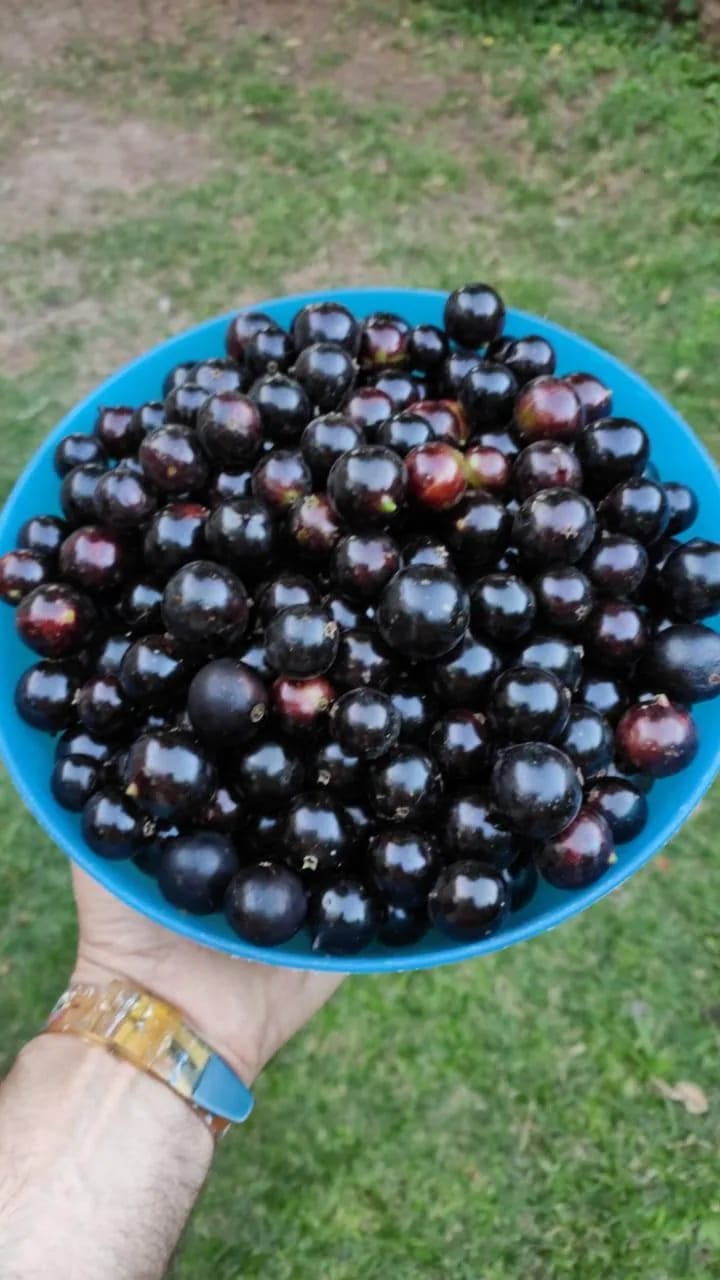
Jaboticaba fruit color varies among selections. Compare affected fruit with healthy fruit on the same tree, and note whether it was fully colored, softening, or still firm when it fell. Ripe fruit has a short shelf life and may drop after maturity. Fruit that shrivels while still small or green needs a different investigation than ripe fruit falling after a crop.
Review moisture and weather changes
Write down watering and rainfall for the days before the symptom appeared. Long dry periods, very hot weather, and abrupt changes in moisture are useful context. Keep soil moisture more consistent where possible, especially for container trees, but do not keep roots saturated. A split fruit may follow a rapid change in conditions, yet splitting has not been established as a single, universal jaboticaba diagnosis.
Inspect the fruit and branches
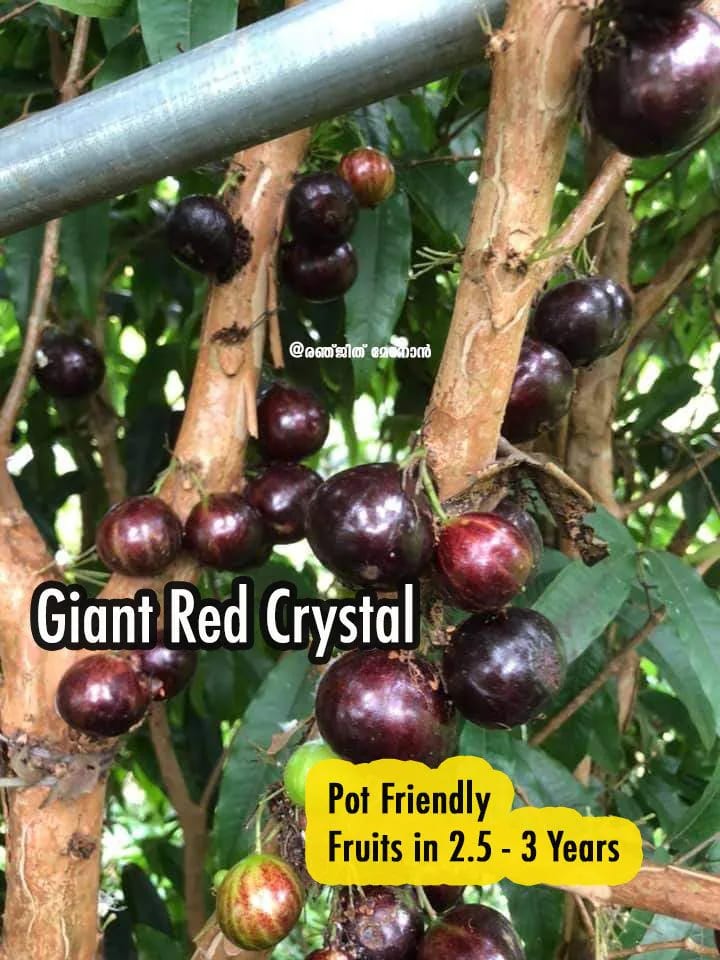
- Look for peck marks, insect activity, and damaged skin.
- Check whether fallen fruit is concentrated on one branch or across the whole tree.
- Note spots, mold, or soft areas, and take close photographs.
- Look at leaves and new shoots for drought, cold, or other stress.
- Keep a few affected fruits in a separate container; do not mix them with sound fruit.
Change one factor at a time
If the root zone is drying severely, adjust irrigation to keep moisture steadier while preserving drainage. If the tree recently moved, was repotted, or experienced cold or heat stress, give it time to recover. Avoid heavy pruning or extra fertilizer during fruiting unless you have a clear, diagnosed reason. A treatment aimed at the wrong cause can add stress without saving the crop.
Keep a crop log
Record the variety or species if known, flowering and fruit dates, weather, watering, symptoms, and how much fruit was affected. Take photos of the same areas over several days. If the problem repeats, these details help an experienced local grower or horticulture specialist assess the pattern.
The harvest guide covers ripeness and handling. You can compare fruit photos and names in the species library.