
Jaboticaba journal
Jaboticaba Cold Protection: Winter Care for Pots and Garden Trees
Jaboticaba is a tropical to subtropical fruit tree, and cold tolerance varies with the plant’s identity, age, health, and growing conditions. A young tree in a pot and an established tree in the ground face different risks. Since one temperature threshold cannot cover every selection and garden, plan around your local forecast and protect the plant before cold arrives.
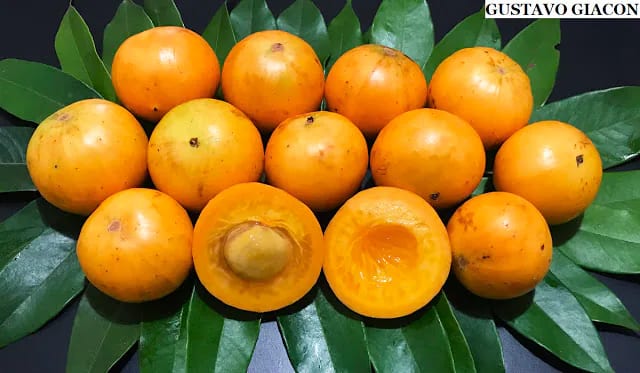
Before the cold season
Choose the warmest practical site: a sheltered courtyard, a spot near a wall, or a location protected from cold wind. Keep container trees movable if your winters bring frost. Avoid late-season growth pushes from heavy feeding or hard pruning; tender new growth is more exposed than mature, hardened branches.
Protecting a container tree
- Move the pot to a bright, sheltered, frost-free place when a cold event is forecast.
- Keep it away from hot heaters and drying indoor air.
- Check the potting mix and water when it is becoming dry; do not leave the pot sitting in water.
- Group containers together only if each still has enough airflow and light.
- Bring the plant back outdoors gradually after the cold spell has passed.
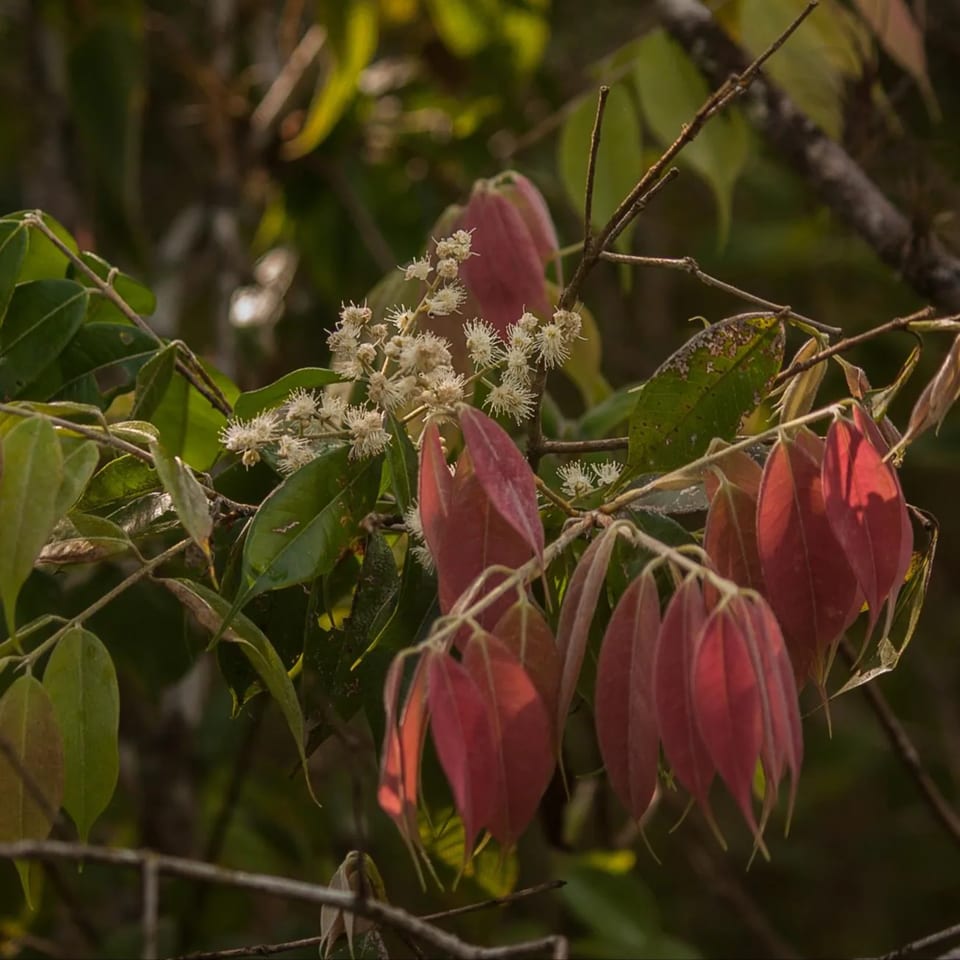
Protecting an in-ground tree
For a small tree, a breathable frost cloth can help hold warmth around the canopy. Secure it before nightfall and extend it toward the ground so it can trap warmth from the soil. Do not let plastic sheeting rest against leaves. A layer of mulch over the root zone helps moderate soil conditions; leave a clear space around the trunk rather than piling mulch against the bark.
Large trees may be difficult to cover completely. Prioritize young trees and exposed plants, and use a wind-sheltered site when planting. Protection reduces exposure but cannot guarantee that tender growth will escape damage during a severe or prolonged cold event.
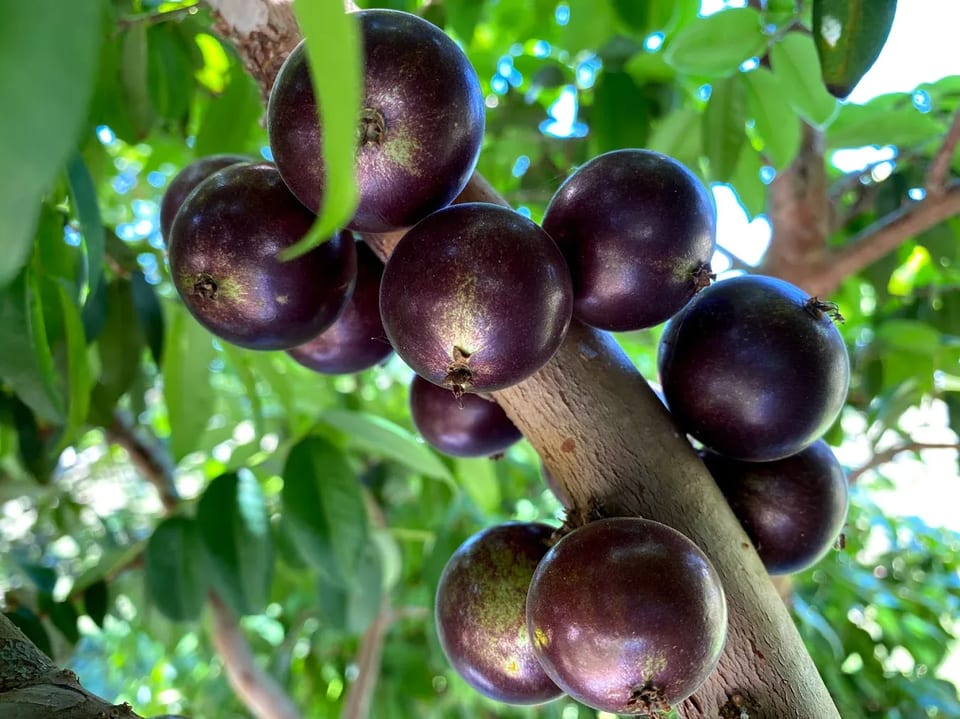
After a cold night
Wait before making major cuts. Leaves may discolor or fall while branches remain alive, and the full extent of injury can take time to show. Check for new growth as temperatures warm. When damage is clear, prune only dead material back to healthy wood with clean tools. Keep the root zone appropriately moist and avoid trying to force recovery with extra fertilizer.
Make a simple winter record
Write down the lowest temperature your garden recorded, how long the cold lasted, whether the plant was covered or moved, and which parts showed damage. Record the species or selection if known. These observations help you make a better plan next winter and are more useful than applying a single hardiness claim to every jaboticaba.
If your area regularly experiences freezing weather, container growing gives you more control over shelter. Our container guide covers pot care, and the species library lists the jaboticaba types represented in the collection.