Jaboticaba journal
How to Compare Jaboticaba Variety Flavors: A Grower’s Tasting Guide
Jaboticaba collectors often compare varieties by fruit size and color, but flavor is what many people remember. A useful tasting note needs more than “sweet” or “sour”: ripeness, weather, crop load, and storage can change the experience. This guide gives you a repeatable way to compare fruit without assuming every tree under the same name tastes identical.
Set up a fair comparison
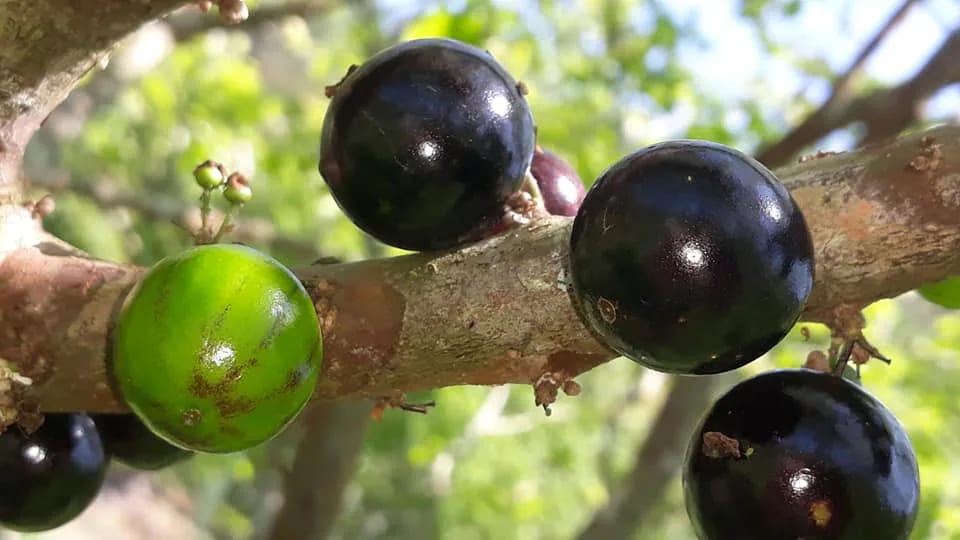
Compare fruit harvested on the same day, at similar ripeness, and from trees whose names you can verify. Keep samples separate and label them before tasting. Let chilled fruit come to a similar temperature, and taste it soon after harvest because jaboticaba softens quickly. If you only have one variety, record a baseline and compare it with future crops.
Taste the parts separately
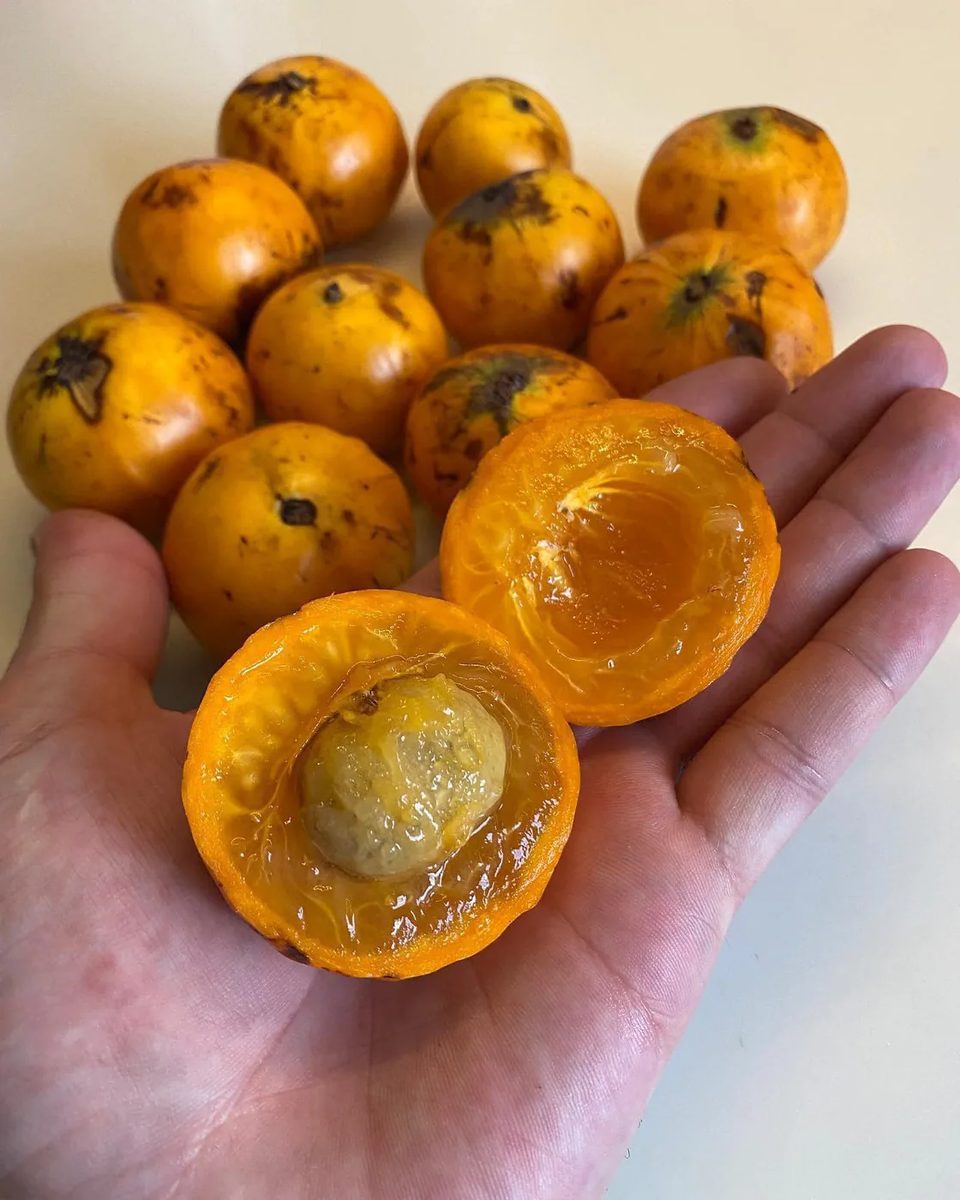
Begin with aroma, then taste the flesh by itself. Note sweetness, tartness, juice, firmness, and any floral or wine-like impression you detect. Next, taste a small amount of skin with the flesh and record whether it adds bitterness, astringency, or extra flavor. Do not assume the skin should be eaten or discarded; personal preference differs. Note seed size and the proportion of flesh to skin as part of the eating experience.
Use the same note card each time
- Tree name and how the identification was confirmed.
- Harvest date, fruit color, softness, and recent weather.
- Aroma before tasting.
- Flesh: sweetness, acidity, texture, and juice.
- Skin: thickness, bitterness, and astringency.
- Seed size, aftertaste, and your overall preference.
Repeat before drawing conclusions
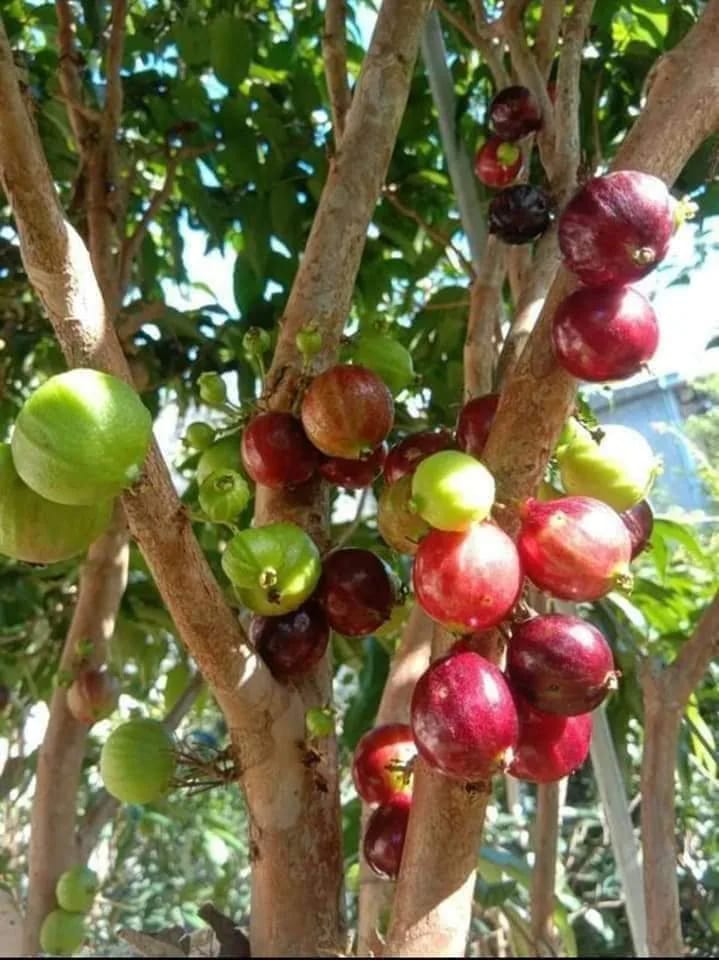
Taste several fruits from different parts of the tree, and repeat the comparison during another crop if possible. One fruit can be unrepresentative. If two people taste the same samples, ask each to write notes independently before discussing them. This helps separate personal preference from a shared observation.
Share observations clearly
When writing a public variety note, identify the tree, explain how you know its name, and say when and where the fruit was grown. Describe the sample rather than promising that every tree of that variety will taste the same. Photos help readers recognize fruit appearance, but they cannot show sweetness or aroma.
The collection’s species profiles help you compare names and fruit photographs. For practical harvest timing, see when to harvest jaboticaba.