
Jaboticaba journal
Jaboticaba Propagation: Seeds, Grafting, Air Layering, and Cuttings
Jaboticaba can be propagated in several ways, but each method solves a different problem. Seed is accessible and useful for growing rootstocks or raising new plants. Grafting and air layering can preserve a selected tree and may shorten the wait for fruit. Cuttings are possible, yet rooting success can be low.
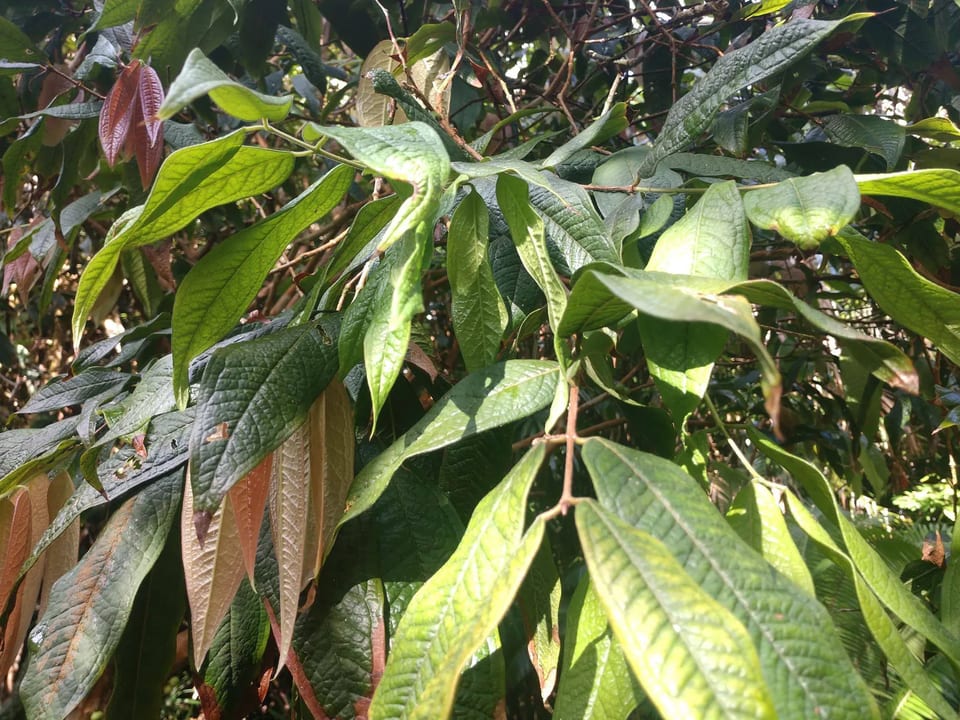
Growing from seed
Use fresh seed. Jaboticaba seeds are recalcitrant: they lose viability quickly as they dry, so sowing soon after harvest is important. Clean off the surrounding pulp, use a moist but airy medium, and keep the container warm and evenly moist without leaving it waterlogged. Germination may take weeks and can extend to about two months.
Seedlings are not a dependable way to reproduce a named selection. They may differ from the parent in growth, fruit, and time to bearing. Some jaboticaba seeds can be polyembryonic, but do not assume that every seedling is a clone. Label each seed with the parent, harvest date, and sowing date.
Grafting for a named selection
Grafting joins a piece of the selected variety to a compatible rootstock. It is useful when fruit identity matters, but success depends on scion condition, plant compatibility, timing, sanitation, and technique. Cleft grafting is one method growers use. Keep a fresh graft protected from harsh sun and wind while the union heals, and follow region-specific propagation advice.
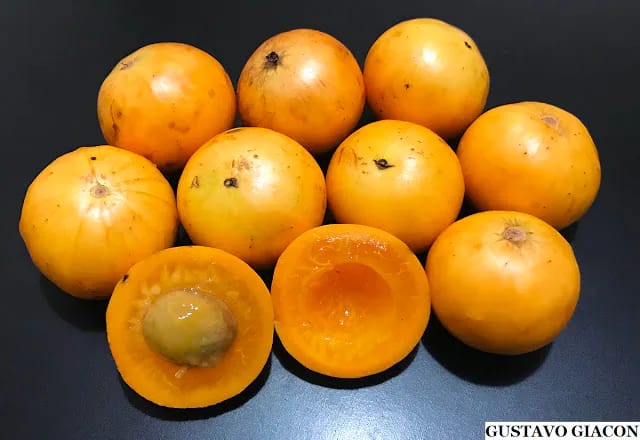
Air layering
Air layering encourages roots to form on a branch that remains attached to the parent until it is rooted. It can preserve the selected plant, but takes time and needs consistent moisture around the rooting area. Once separated, the new plant has a smaller root system than a nursery-grown tree and needs careful establishment. Ask the source grower about their success with the particular selection.
What about cuttings?
Softwood and semi-hardwood cuttings are discussed by growers, but Rooting success for cuttings can be low. That makes cuttings a less predictable choice for a valuable selection. Use multiple healthy cuttings only when you can accept losses, and keep records of material, season, and conditions.
Choose the method for your goal
- Choose seed when you want to experiment, raise rootstocks, or grow a variable seedling.
- Choose grafting when preserving a named selection is important and skilled help is available.
- Consider air layering for a selected branch when the parent can support it through rooting.
- Treat cuttings as an experiment with uncertain results, not a guaranteed shortcut.
For fruiting expectations, read how long jaboticaba takes to fruit. Methods and results vary by species and climate, so ask an experienced local grower which techniques work reliably in your area. Methods and results vary by species and climate.
Use clean tools, label everything, and keep the parent plant’s identity with each propagated piece. If you are propagating a rare or valuable selection, learning from an experienced local grower is more reliable than following a generic method without adapting it.